



The first cold snap of the year has a way of finding every weak spot on your skin. Central heating pulls the moisture out of the air, wind strips it off your face, and by the time February arrives your shins, knuckles and cuticles feel like sandpaper. Two natural staples get recommended for this constantly: olive oil and shea butter. Both are easy to find in the UK, both are inexpensive, and both can work beautifully — but they behave very differently on cold, tight winter skin. Here is how to choose between them, and how to get the best out of either.
What You Are Actually Putting On Your Skin
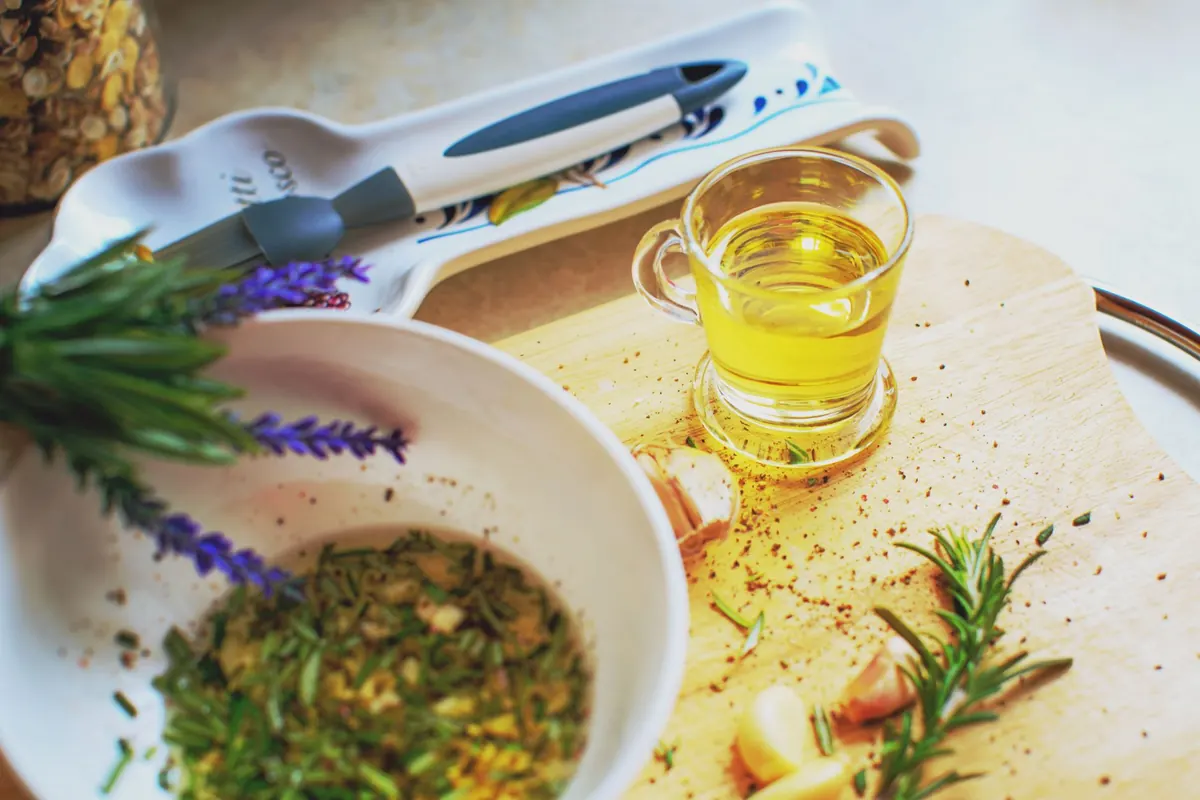
Olive oil is pressed from the fruit, and it is mostly oleic acid, a monounsaturated fat, with vitamin E and polyphenols thrown in. Extra virgin oil keeps more of those minor compounds, which is why it tastes peppery and looks green. On skin it behaves as a liquid emollient: it spreads easily, softens the surface and slows water loss. What it does not do is act as a humectant — it will not draw water into your skin from the air.
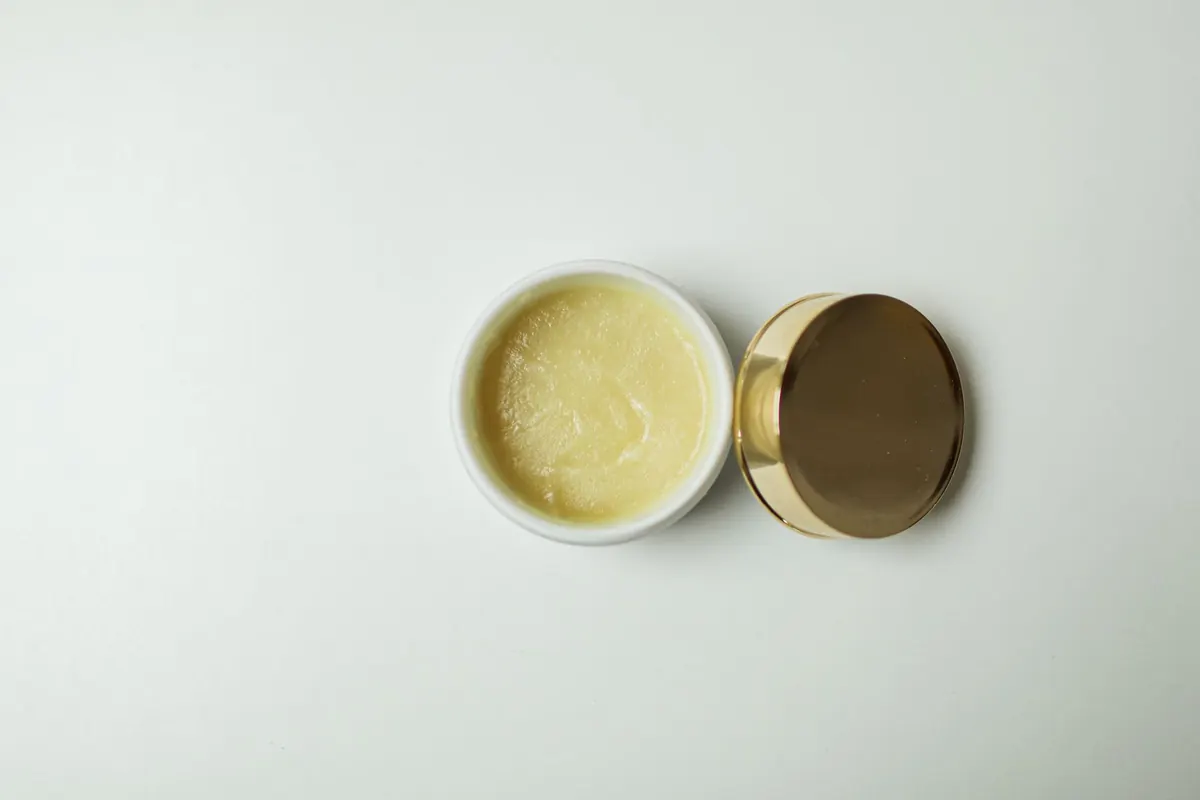
Shea butter is a fat extracted from the nuts of the shea tree, which grows across West Africa. It is solid at room temperature and rich in stearic and oleic acid, plus a fraction of compounds that stay behind after saponification, including vitamins A and E. That makes it thicker, more occlusive and better at forming a film on the skin.
Neither one is a moisturiser in the technical sense. A moisturiser usually adds water with humectants such as glycerin, then holds it in with an occlusive layer. Oils and butters mostly do the second job. That matters when it comes to layering, which we will come to shortly.
Texture: Where the Two Diverge Most
Olive oil is pourable and glides. On damp skin it sinks in reasonably quickly; on dry skin it tends to sit on top and stay shiny. A little goes a long way — a teaspoon is more than enough for both legs, and three to five drops will cover your face. If you dislike the sheen, press it in with your palms rather than rubbing, then blot the shiniest areas with a tissue.
Shea butter is solid in the tin and begins to melt at close to skin temperature, so it needs warming between your palms before it goes anywhere near your body. Whipped versions are light and fluffy; unwhipped shea can be dense and draggy, and it takes several minutes longer to settle. It can also feel tacky under clothing for a while. If your shea has gone grainy — a common result of melting and cooling it slowly — whipping it will smooth it out again.
As a rough guide: a pea-sized amount of shea per area (each shin, each elbow, both hands), and a teaspoon of olive oil per limb.
Scent: Olive Groves Versus Nuts
Extra virgin olive oil smells like olives, cut grass and sometimes a little pepper. Lovely in a kitchen, strange on your face in a meeting. If scent bothers you, look for a refined or light olive oil, which is close to neutral.
Unrefined shea has a nutty, faintly smoky aroma, occasionally with a rubbery edge. Refined shea is nearly odourless but has lost some of the minor compounds that make the unrefined version interesting. If neither appeals, stir a few drops of lavender or chamomile essential oil into a jar of shea — but keep the dilution low, especially for anything going on your face, and patch test first.
Which One for Which Job
- Chapped hands and cuticles after washing up: shea butter, rubbed in last thing at night. Cotton gloves are optional but effective.
- A tight, windburnt face: a few drops of olive oil pressed over damp skin. If your skin is genuinely dry rather than just weather-beaten, a lighter shea blend will hold up better.
- Shins, elbows and heels: shea. Thicker skin tolerates the heavier texture, and it stays put under trousers and socks.
- Scalp and hair ends: olive oil works well as a pre-wash treatment. Shea is better for sealing curls and taming frizz.
- Very dry, flaky, tight skin in the middle of a cold snap: shea, or the two layered together.
- Oily or spot-prone skin: neither is a safe bet. Both can clog pores for some people, so use a light water-based moisturiser and add oil sparingly, if at all.
- On the move: olive oil travels better. A small bottle in a handbag has no risk of grit or spillage.
How To Layer Them Properly
- Shower lukewarm, not hot, and pat rather than towel dry. You want skin still slightly damp.
- Apply anything water-based first — a simple glycerin or hyaluronic acid serum, or a basic lotion.
- Then the oil: three to five drops of olive oil, pressed in with flat palms.
- Then the butter on your driest patches: a pea-sized amount of shea, warmed first.
- Wait ten minutes before dressing. Wool over tacky skin is miserable.
- At night, be generous and cover up: cotton socks, thin cotton gloves. You will notice the difference in the morning.
A Two-Ingredient Whipped Butter
Melt two parts shea butter to one part olive oil by weight — 100g of shea to 50g of oil is a useful batch — in a bowl set over a pan of simmering water. Stir, chill until firm, then whip with an electric whisk until it turns pale and fluffy. Scoop into a clean jar, keep it somewhere cool and dark, and use it within a few months. It spreads far better than shea on its own and smells less assertive, because the oil dilutes the nutty note.
When To Be Cautious
Both are foods, not medicines, and neither suits every skin. A few sensible precautions:
- Patch test on your inner forearm and wait 24 hours before using either on your face.
- Broken, cracked or weeping skin is not the place for kitchen oils. Speak to a pharmacist or your GP.
- Eczema, psoriasis, rosacea or acne can all be aggravated by heavy oils and butters. Get advice from a pharmacist or GP rather than experimenting.
- Nut allergies: shea comes from a tree nut and reactions are uncommon, but if you have a serious allergy, check with your GP or an allergy specialist first.
- Newborn skin: many dermatologists advise against olive oil on newborns. Follow your health visitor's guidance.
- Rancidity: olive oil turns eventually. If it smells sharp or crayon-like, bin it. Shea keeps longer if stored cool and dark.
The Short Answer
If you only want one product in the bathroom this winter, choose shea butter. It is the heavier hitter for cold-weather dryness, it stays where you put it, and it earns its place on shins, hands, elbows and heels. Olive oil is more versatile — better for hair and scalp, easier to spread, and perfectly good on mildly dry skin when mixed with a basic lotion or used on damp skin straight after a shower.
The real trick is not choosing between them but using them in the right order. Water-based product first, oil next, butter last, all on damp skin after a lukewarm shower. If your dryness is persistent, itchy or spreading despite a decent routine, or if skin is cracked and bleeding, that is a job for a pharmacist or GP rather than the kitchen cupboard.
Photo: Cup of Couple / Pexels